Crochet Popcorn Afghan Square Pattern – Textured 8-Inch Square
Want a textured crochet square with a playful pixel-style look? This popcorn afghan square combines simple single crochet rows with raised stitches to create a clear 3D design.
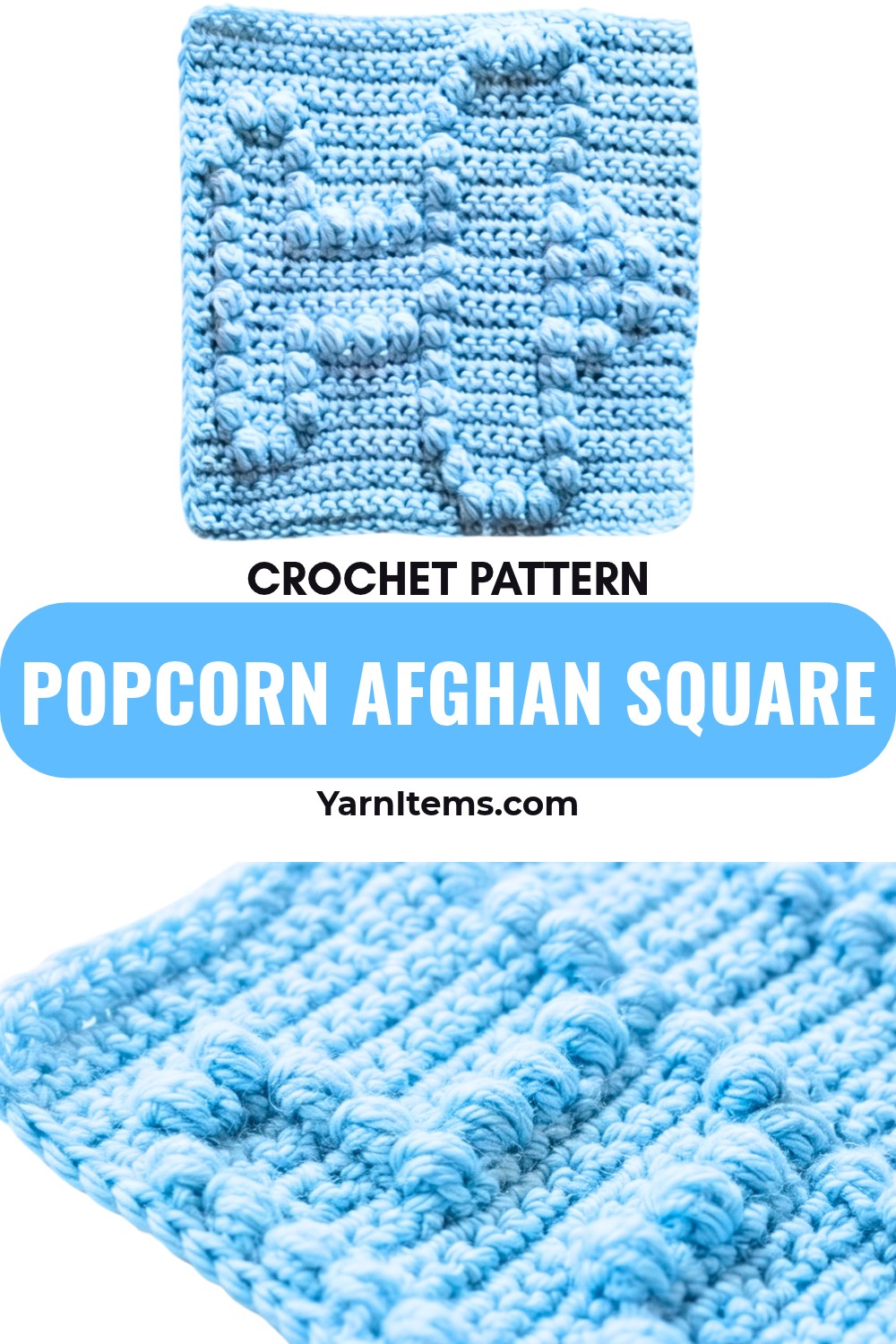
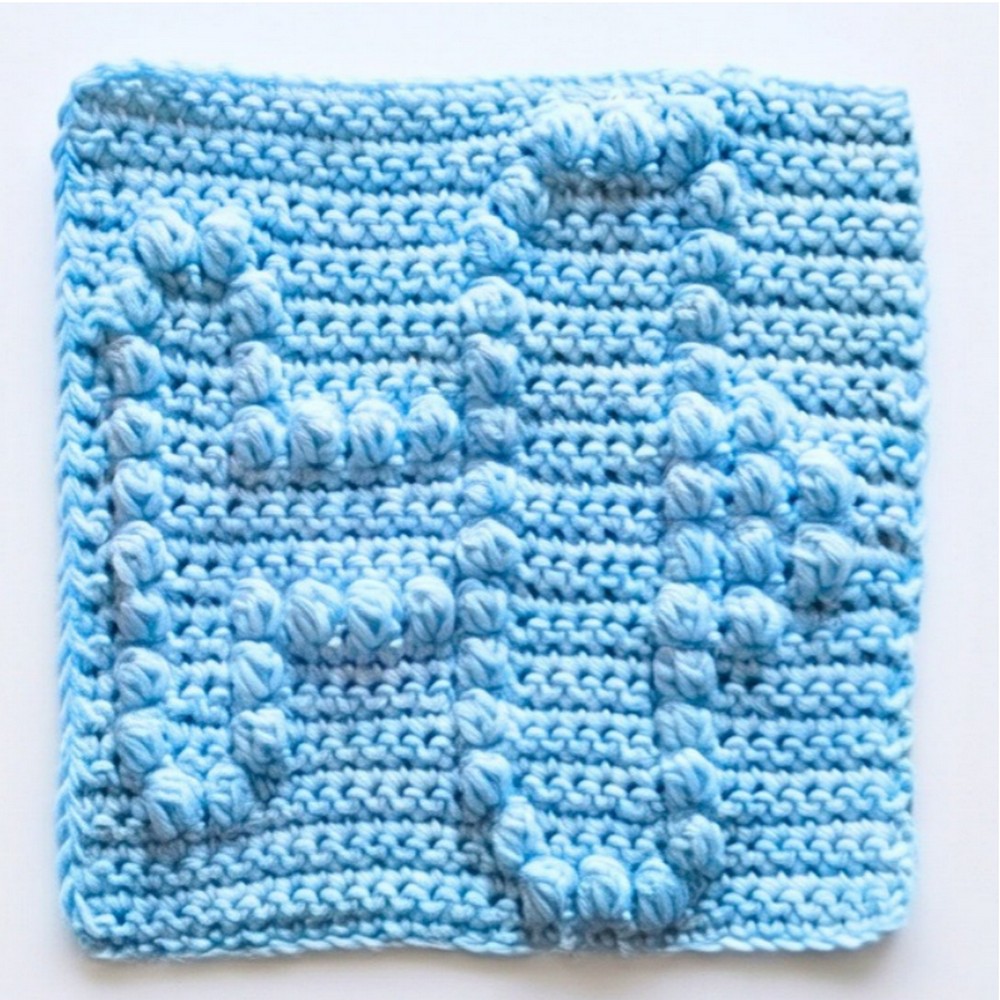
A light, solid-colored worsted yarn works especially well here because the popcorn crochet stitches catch the light and create shadows against the flatter background. The result is an approximately 8-inch square that can stand on its own or be combined with other squares for a larger blanket or nursery accent.
The crochet pattern stays at 29 stitches across from beginning to end, which makes the stitch placement easier to track once you recognize the rhythm. Plain single crochet rows separate the textured rows, helping the popcorn stitches remain visible on the same side of the fabric.
Credit karma crochet
Materials & Tools Needed
- Yarn: Medium worsted weight yarn (Category 4) in a solid color
- Recommended color: A lighter solid shade is ideal because it helps the textured stitches catch the light and cast clearer shadows
- Hook: 4.5 mm or 5.0 mm crochet hook, or the size recommended for your yarn
- Notions: Scissors and a tapestry/yarn needle for weaving in ends
Finished Size & Customization
The finished square is approximately 8 × 8 inches, depending on your yarn choice and tension.
The square can be used as part of a larger design, such as a travel-themed baby blanket or a nursery throw pillow. You can also experiment with colorwork by carrying a contrasting color behind the fabric so the popcorn stitches stand out in a different shade, such as white clouds or an airplane against a sky-blue background.
Pattern Abbreviations & Terminology
The pattern uses US crochet terms.
- ch: Chain
- sc: Single Crochet
- pop: Popcorn Stitch (or Bobble Stitch)
- st(s): Stitch(es)
How the Popcorn Stitch Works
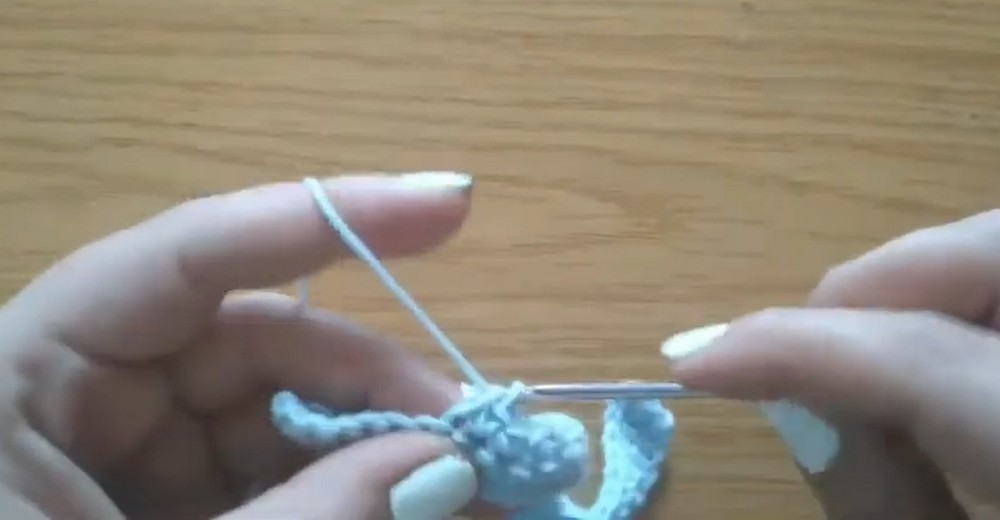
For this pattern, the popcorn stitch is created by working multiple double crochets into one stitch, dropping the working loop, inserting the hook into the first double crochet, and pulling the dropped loop through to gather the stitches into a raised 3D bump.
Texture check: The popcorn is meant to stand out from the surface of the square. Since the work is turned between rows, the alternating-row structure helps keep the raised stitches showing on the same side.
Crochet the Textured Square
The entire square is worked in rows of 29 stitches.
The even-numbered rows are plain single crochet rows. The odd-numbered rows contain the popcorn design. This repeating structure is important because the plain rows help push the textured stitches toward the intended right side of the fabric.
Foundation: Ch 29, ch 1 to turn.
At the end of every row, ch 1 and turn your work.
Row 1: 29 sc
Row 2: 29 sc
Row 3: 8 sc, 1 pop, 1 sc, 1 pop, 1 sc, 1 pop, 16 sc
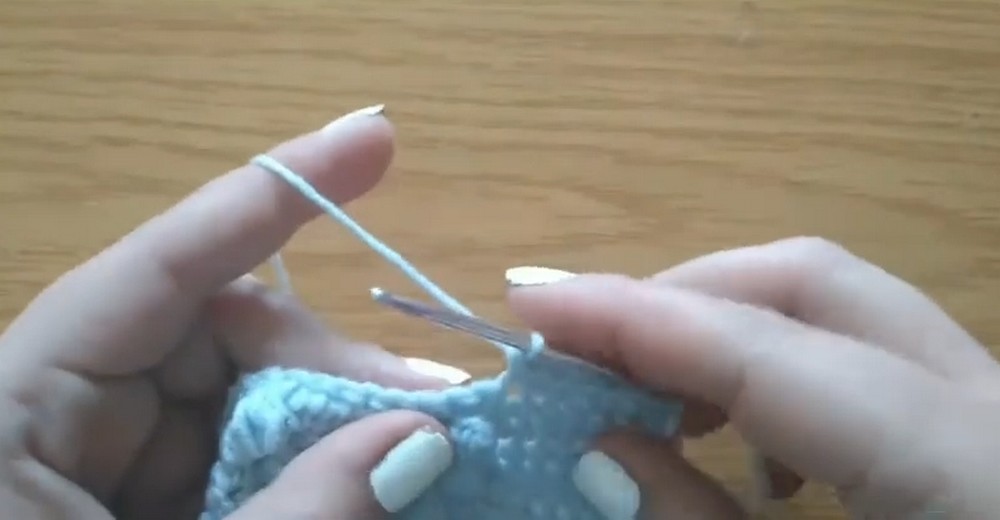
Row 4: 29 sc
Row 5: 7 sc, 1 pop, 5 sc, 1 pop, 15 sc
Row 6: 29 sc
Row 7: 7 sc, 1 pop, 6 sc, 1 pop, 8 sc, 1 pop, 5 sc
Row 8: 29 sc
Row 9: 7 sc, 1 pop, 6 sc, 1 pop, 8 sc, 1 pop, 5 sc
Row 10: 29 sc
Row 11: 7 sc, 1 pop, 6 sc, 1 pop, 8 sc, 1 pop, 5 sc
Pattern check: Rows 7, 9, and 11 use the same popcorn placement. Keeping these three rows identical makes this section easier to recognize as you work.
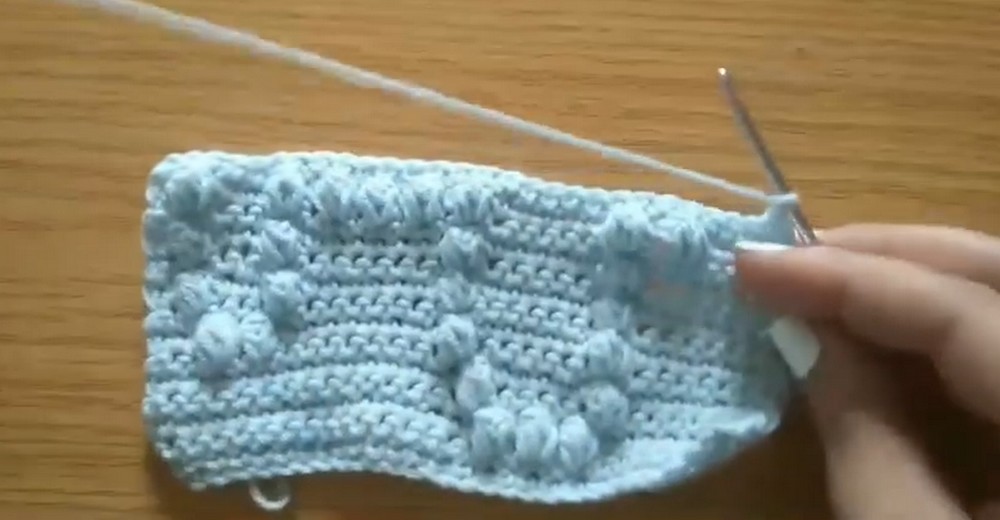
Row 12: 29 sc
Row 13: 5 sc, 1 pop, 1 sc, 1 pop, 1 sc, 1 pop, 1 sc, 1 pop, 1 sc, 1 pop, 15 sc
Row 14: 29 sc
Row 15: 3 sc, 1 pop, 1 sc, 1 pop, 1 sc, 1 pop, 6 sc, 1 pop, 11 sc, 1 pop, 2 sc
Row 16: 29 sc
Row 17: 3 sc, 1 pop, 1 sc, 1 pop, 1 sc, 1 pop, 6 sc, 1 pop, 11 sc, 1 pop, 2 sc
Row 18: 29 sc
Row 19: 5 sc, 1 pop, 1 sc, 1 pop, 6 sc, 1 pop, 8 sc, 1 pop, 5 sc
Row 20: 29 sc
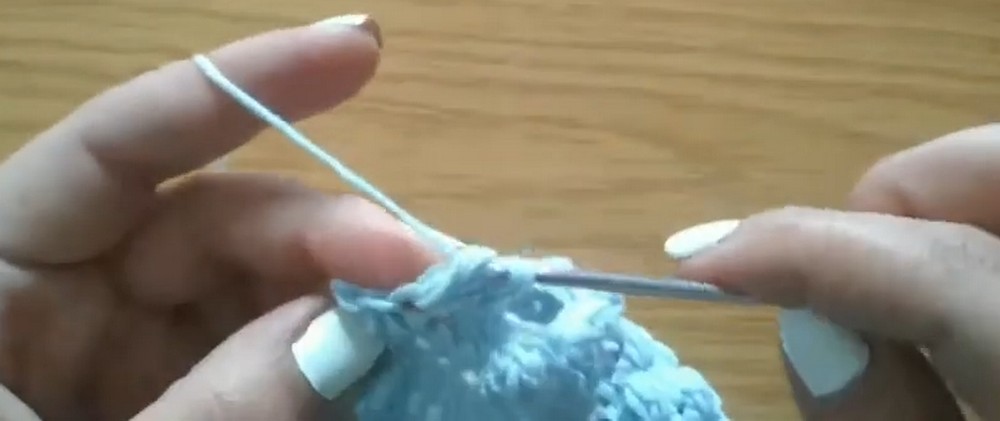
Row 21: 7 sc, 1 pop, 6 sc, 1 pop, 8 sc, 1 pop, 5 sc
Stitch-count check: Row 13 is written with 15 sc at the end so the row reaches the required 29 stitches. The supplied video caption reportedly lists 13 sc, but using 15 sc is the stated correction for maintaining the 29-stitch row.
For the same reason, Row 19 and Row 21 finish with 5 sc rather than the 3 sc shown in the video captions.
Row 22: 29 sc
Row 23: 7 sc, 1 pop, 6 sc, 1 pop, 8 sc, 1 pop, 5 sc
Row 24: 29 sc
Row 25: 7 sc, 1 pop, 6 sc, 1 pop, 8 sc, 1 pop, 5 sc
Row 26: 29 sc
Row 27: 7 sc, 1 pop, 5 sc, 1 pop, 15 sc
Row 28: 29 sc
Row 29: 8 sc, 1 pop, 1 sc, 1 pop, 1 sc, 1 pop, 16 sc
Row 30: 29 sc
Row 31: 29 sc
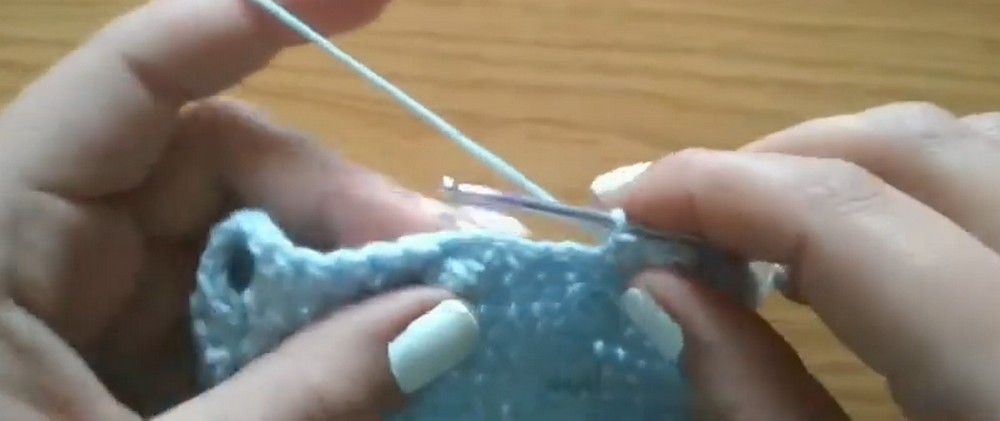
Reading the Motif as It Develops
As the rows build, the popcorn stitches create the raised shapes while the single crochet background fills the remaining space.
Watch the direction of the texture: The square is turned after every row, so the popcorn stitches will not simply be facing the hook in the same direction each time. The alternating plain rows are part of what helps the finished bumps appear on the intended right side.
Do not skip the plain rows: Even though a 29-sc row may look repetitive, it is doing important work. These rows maintain the square’s structure and help the textured stitches sit correctly.
Count before moving on: Because several textured rows contain similar-looking sequences, it is easy to lose a popcorn or work one too many single crochets. Keeping the total at 29 stitches across each row will help the motif stay aligned.
Finish the Square
Once Row 31 is complete, you can add a border if you want a cleaner edge around the textured square.
Optional Single Crochet Border
Border: Ch 1, then work an even border of single crochets around the entire perimeter of the square. Place 3 sc into each of the four corner stitches to keep the corners sharp and flat.
Corner check: The three single crochets at each corner give the yarn enough room to turn without pulling the square inward. If a corner begins to curl, check that the corner stitches have been worked correctly.
Fasten Off
Slip stitch into the first sc of the border, cut the yarn leaving a 6-inch tail, and pull through to tie off.
Thread the tail onto a tapestry needle and weave it back and forth through the back of the stitches on the wrong side to secure it invisibly.
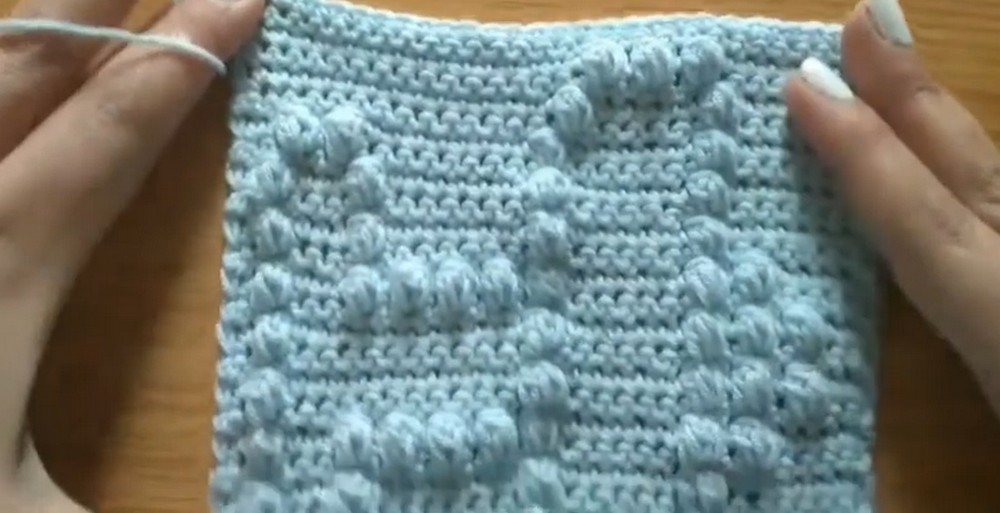
The completed square has a raised, pixel-art-style texture created entirely through the placement of popcorn stitches against a simple single crochet background. Once the repeating 29-stitch rhythm becomes familiar, the later rows become much easier to read and maintain.