How To Chain and Single Crochet Pattern for Absolute Beginners
Start crocheting with two essential stitches as you learn the slip knot, foundation chain, and first single crochet at a calm, beginner-friendly pace.
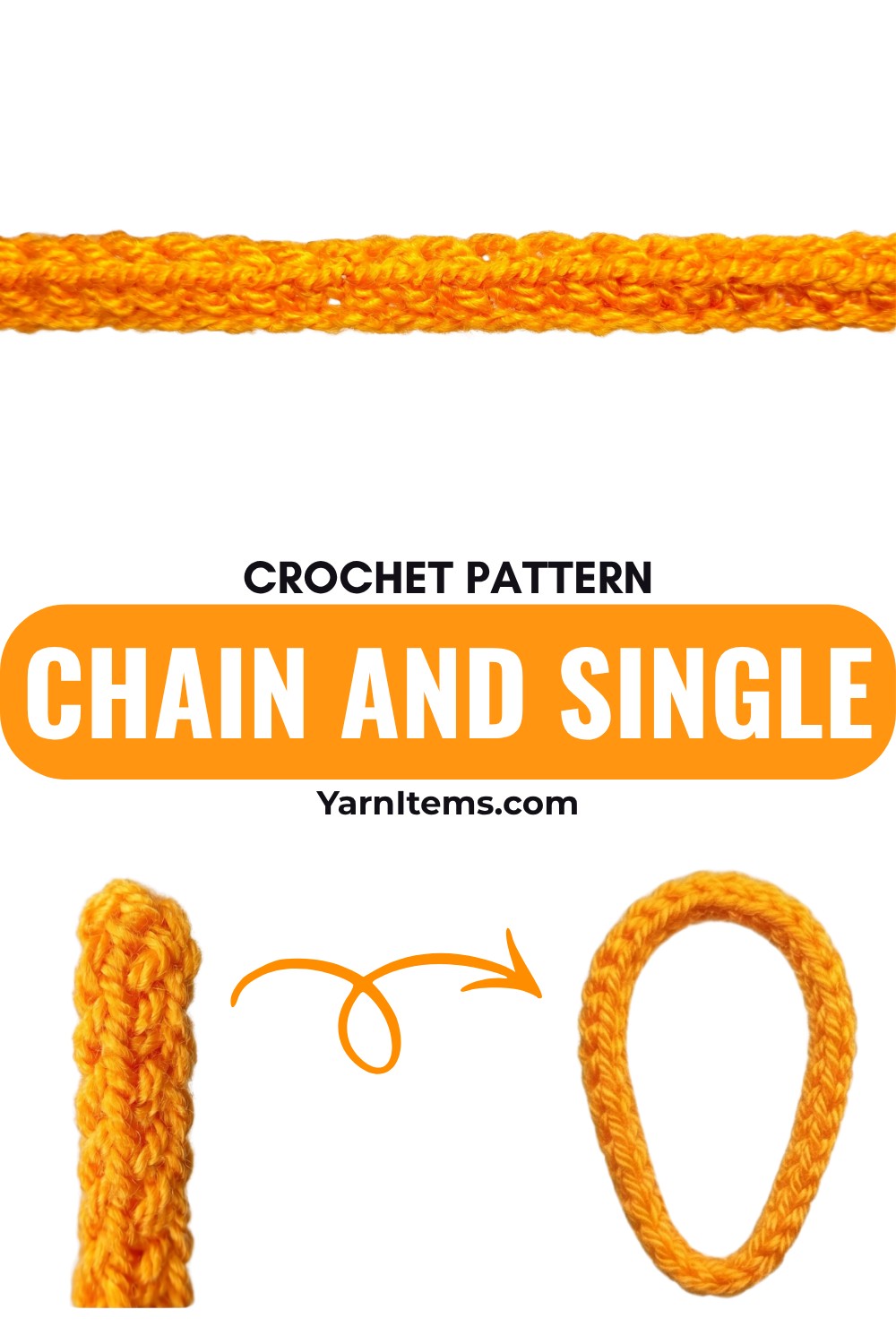
Crochet Chain and Single Pattern
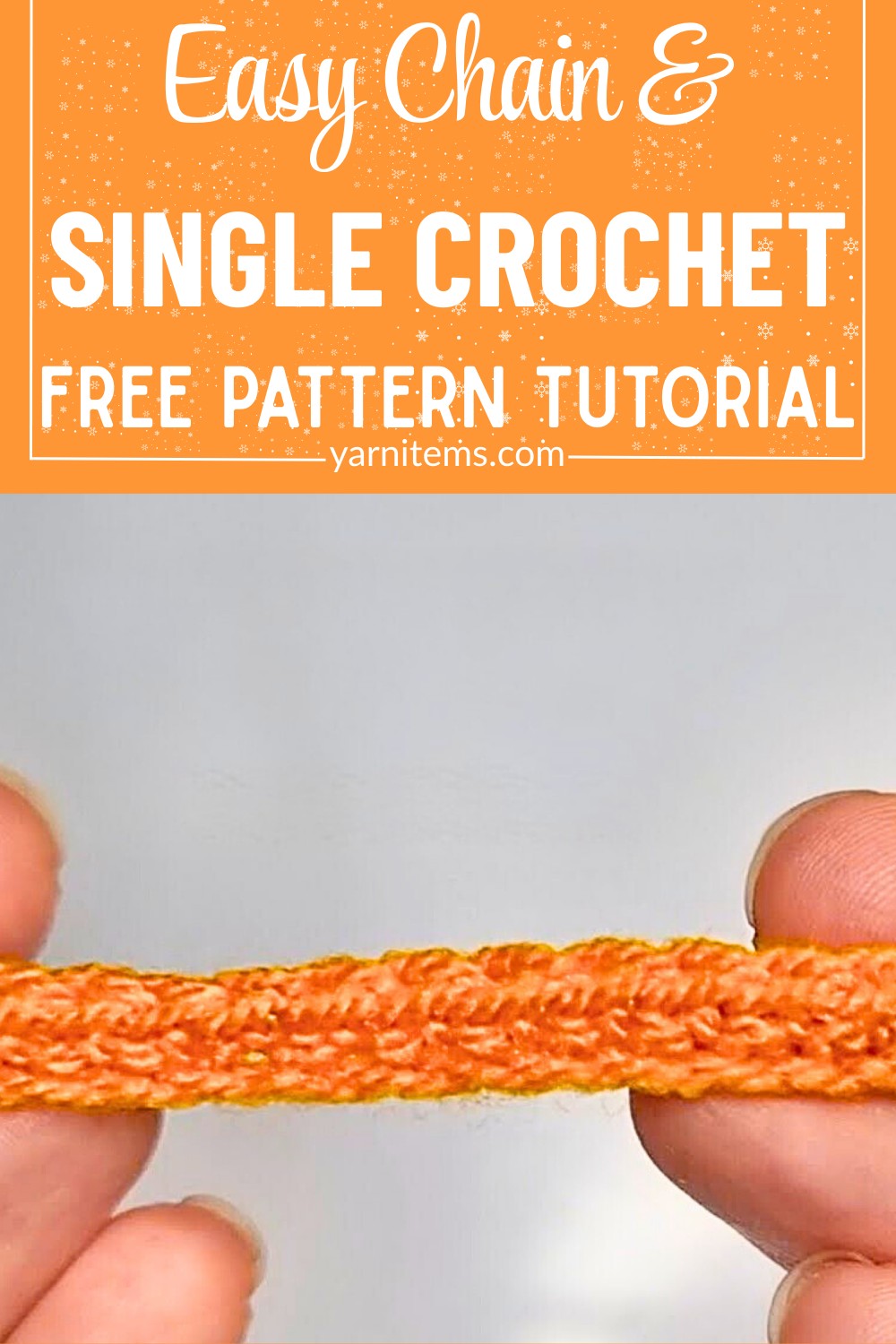
If you are holding a crochet hook for the first time, learning a chain and single crochet gives you a simple place to begin. These two stitches appear in countless crochet pieces, and practicing them together helps you become comfortable with how the yarn and hook move in your hands. This tutorial starts with the slip knot, then takes you through each chain and your first row of single crochet without rushing the process.
The most important thing here is not speed but control. You will learn where the hook goes into the chain, how much yarn to pull through, and how to keep your stitches loose enough for the hook to move smoothly. Once these motions start feeling natural, you can turn the same basic stitches into practice squares, coasters, bookmarks, scarves, and many other simple pieces.
Credit Furry Yarn
Materials & Tools Needed
- Yarn: Medium-weight yarn that is easy to see and handle. Acrylic or cotton yarn can work well for practice.
- Crochet Hook: Use the hook size recommended on your yarn label. A 4 mm or 5 mm hook is a comfortable starting point for many medium-weight yarns.
- Scissors: For cutting the yarn when you finish practicing.
- Stitch markers: Optional, but useful when learning to keep track of rows and stitches.
What You’ll Learn
This tutorial focuses on three basic skills:
- Making a slip knot
- Creating a foundation chain
- Working single crochet into a chain
You do not need to make a finished item during your first practice. The goal is to become comfortable with the movements so your hands can repeat them naturally.
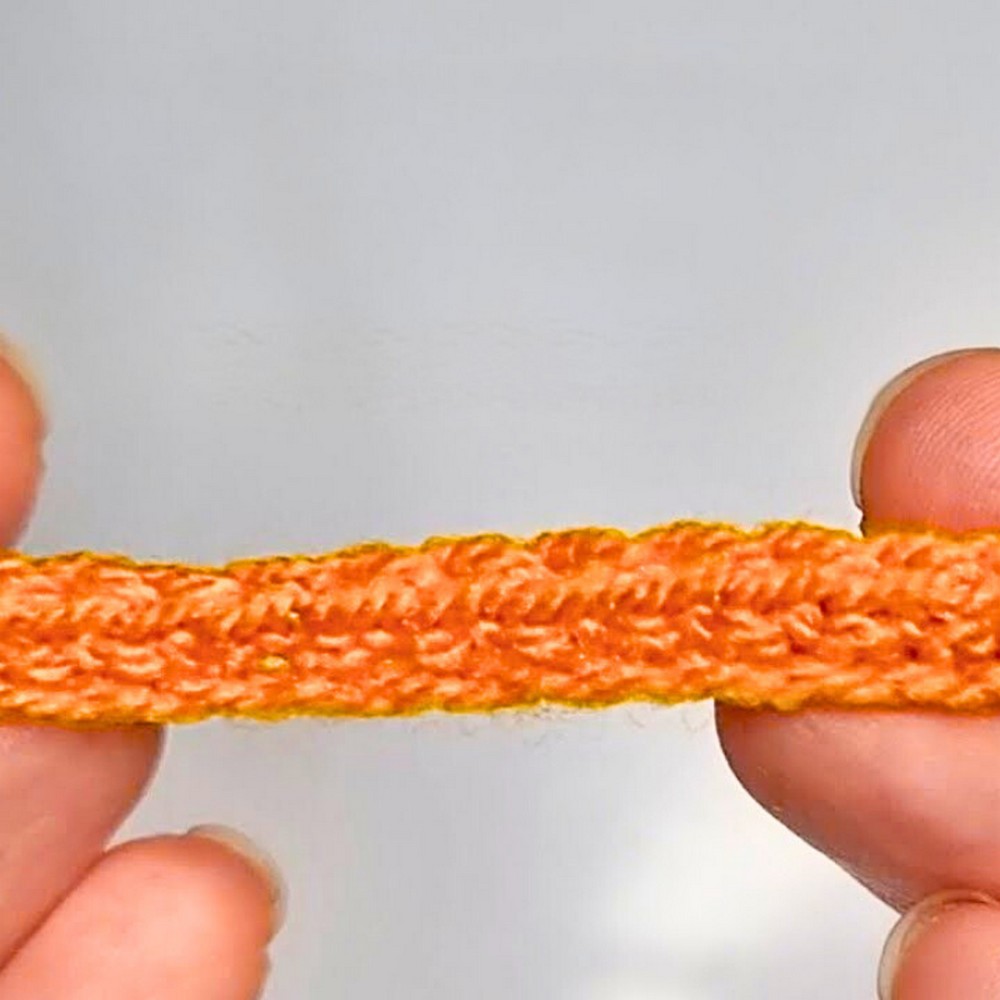
Crochet Abbreviations
- ch: Chain
- sc: Single crochet
- st(s): Stitch(es)
- sk: Skip
- YO: Yarn over
Start With the Slip Knot
The slip knot creates the first adjustable loop that sits on your crochet hook.
- Hold the yarn and make a loop.
- Insert the crochet hook through the loop.
- Pull the working yarn through the loop.
- Gently tighten the knot around the hook.
Beginner check: The slip knot should sit comfortably on the hook. If it is pulled too tightly, the next chain can become difficult to make.
Make the Foundation Chain
Once your slip knot is on the hook, you can begin chaining.
- Hold the yarn in a comfortable position with your non-hook hand.
- Wrap the working yarn over the hook.
- Pull the yarn through the loop already on the hook.
- This creates one chain stitch.
- Repeat the yarn-over and pull-through motion to make additional chains.
Try making a short chain first rather than worrying about reaching a particular number. This lets you concentrate on the movement.
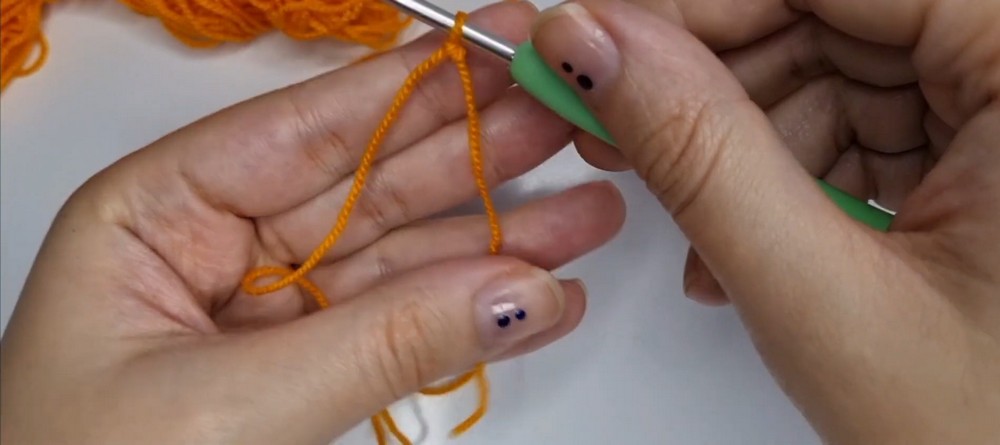
Keep Your Chain Even
New crocheters often pull each chain too tightly because they are trying to make it neat. Instead, let the hook move through the loop naturally.
If your hook cannot easily enter the chain on the next step, your tension may be too tight. Relax your fingers slightly and give each loop enough room for the hook to pass through.
Work Your First Single Crochet
Now you can use the chain you just made as the foundation for your first row.
- Hold the chain so the individual chain loops are easy to see.
- Skip the first chain next to the hook.
- Insert the hook into the second chain from the hook.
- Yarn over.
- Pull the yarn through the chain.
You should now have two loops on your hook.
- Yarn over again.
- Pull the yarn through both loops on the hook.
You have completed your first single crochet.
Continue Across the Chain
Repeat the same movement for each remaining chain:
- Insert the hook into the next chain.
- Yarn over and pull through the chain.
- Yarn over again.
- Pull through both loops on the hook.
Continue across the foundation chain.
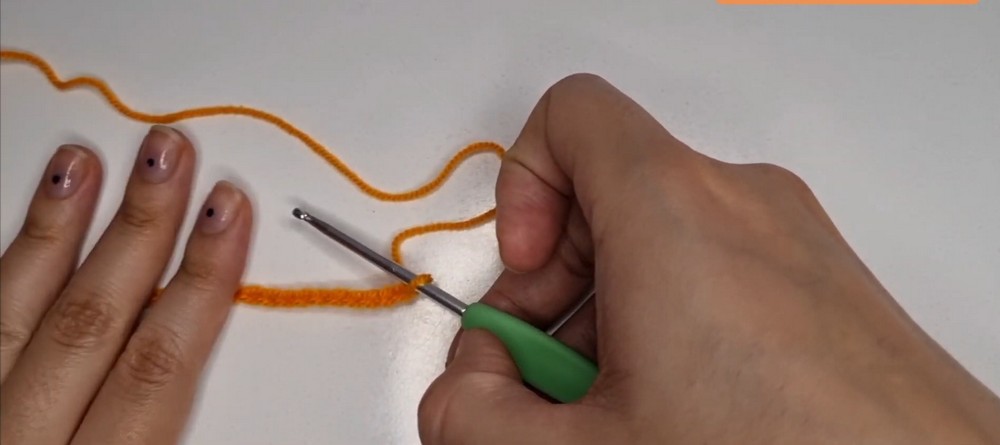
Where Should the Hook Go?
This is one of the first places beginners can become unsure. Look for the small chain loops along the top edge of your foundation chain and insert the hook into the appropriate chain rather than trying to work through the large spaces underneath.
If the chain is difficult to see, turn your work slightly and slow down. Finding the correct insertion point is more useful than trying to crochet quickly.
Check Your First Row
Once you reach the end of the chain, pause before making another row.
Look at your stitches and check:
- Are the single crochets similar in height?
- Can you clearly see the top loops of each stitch?
- Does the fabric feel flexible rather than stiff?
- Did you accidentally skip any chains?
Do not worry if your first row looks uneven. Consistent tension usually improves as your hands become familiar with the movements.
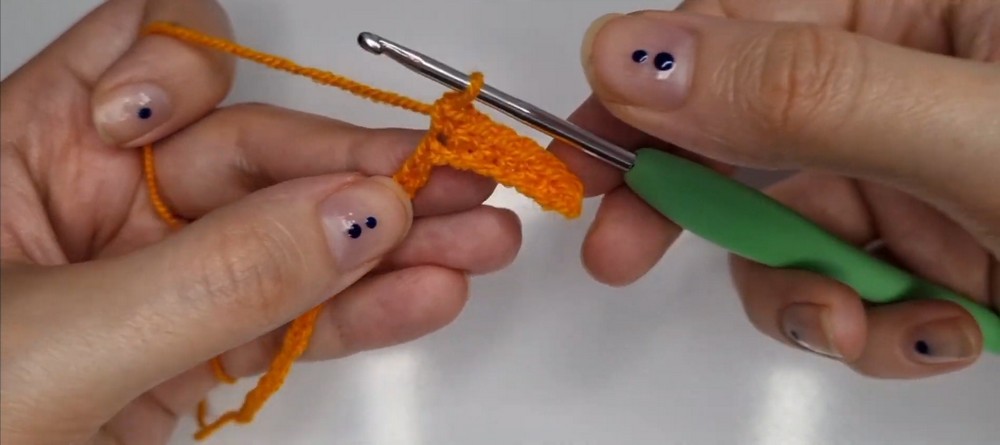
Practice More Rows
Once your first row feels comfortable, you can turn the work and practice additional rows of single crochet.
- Chain 1 to turn.
- Turn your work.
- Insert the hook into the appropriate stitch.
- Work 1 sc.
- Continue across the row.
- Repeat the process for additional practice rows.
A small practice swatch is useful because it lets you focus on stitch consistency without worrying about the final shape of a larger piece.
What You Can Make With These Basics
Once you are comfortable with chains and single crochet, these skills can become the starting point for many simple pieces.
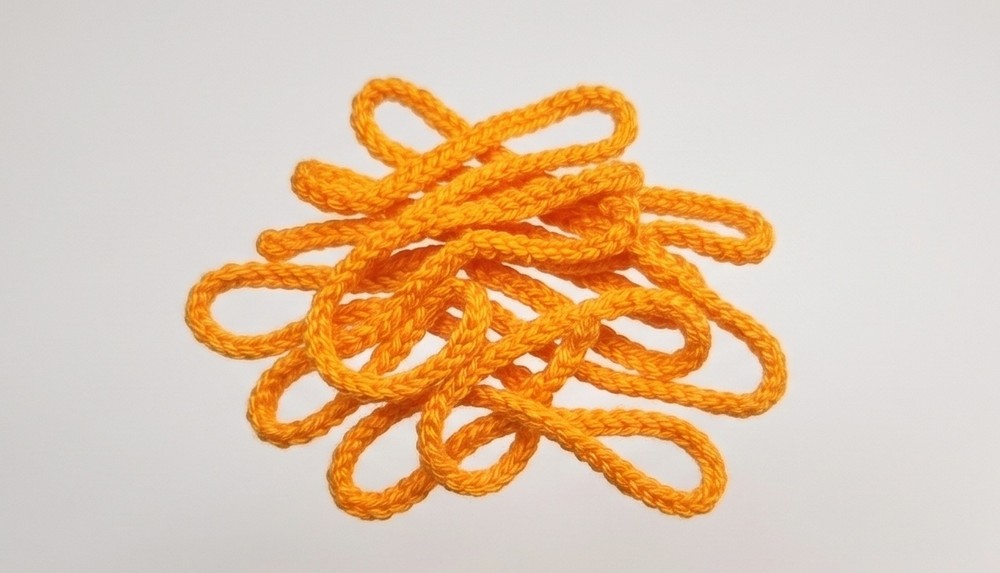
A chain can be used for:
- Bookmarks
- Bracelets
- Hanging loops
- Simple ties
Rows of single crochet can become:
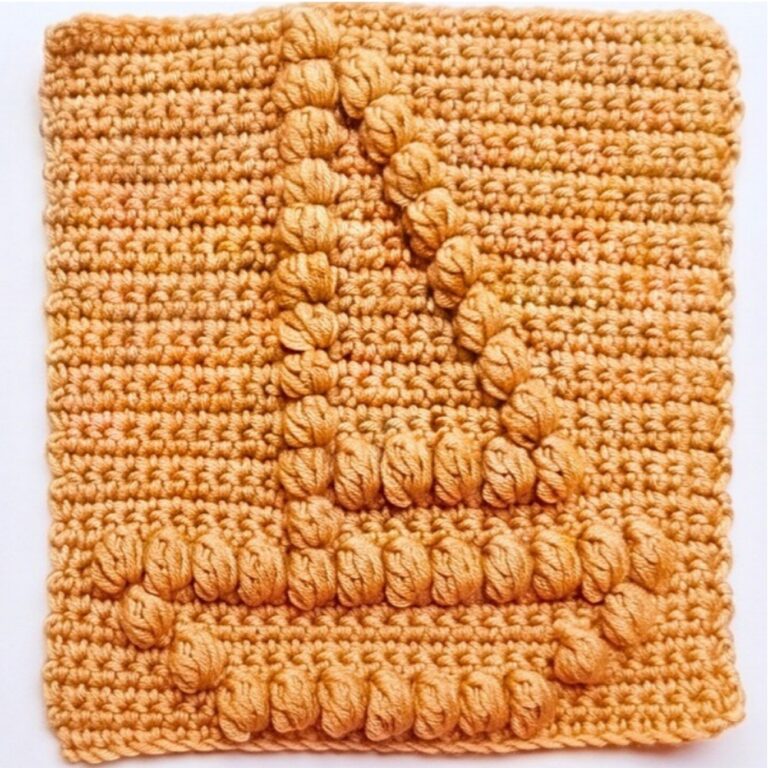
- Coasters
- Small dishcloths
- Practice squares
- Simple scarf sections
- Bases for beginner pieces
The same movements that seem small at first become the foundation for more detailed crochet work later.
A Simple Practice Routine
Instead of trying to make a large piece immediately, practice in short sections.
Start with a few chains, undo them, and make them again. Then work one row of single crochet. When that feels easier, add several rows and pay attention to keeping the edges straight.
The goal is to make the movements feel familiar rather than perfect on the first attempt.
Common Beginner Troubleshooting
My chain is too tight: Relax your grip and avoid pulling the yarn firmly after every stitch.
I cannot find where to insert the hook: Turn the chain slightly so the individual loops are easier to see, then work slowly into the correct chain.
My single crochet stitches look different sizes: Check your tension and try to keep the amount of yarn pulled through each stitch consistent.
My edges are getting wider or narrower: Count your stitches at the end of each row. Missing the first or last stitch is a common reason a practice swatch changes shape.
Keep Practicing
Chains and single crochet may seem simple, but they teach several habits that will help throughout your crochet journey: controlling tension, finding stitch placement, counting stitches, and moving the hook smoothly through the yarn.
Once these motions feel comfortable, you will have a much easier time moving on to other basic stitches and beginner-friendly projects. Start slowly, keep your hands relaxed, and let consistency develop with practice.