How to Crochet a Stylish Beanie with Textured Stitch
A cozy and elegant beanie with a folded brim, beautifully textured body, and optional pom-pom to keep you warm and stylish in any season.
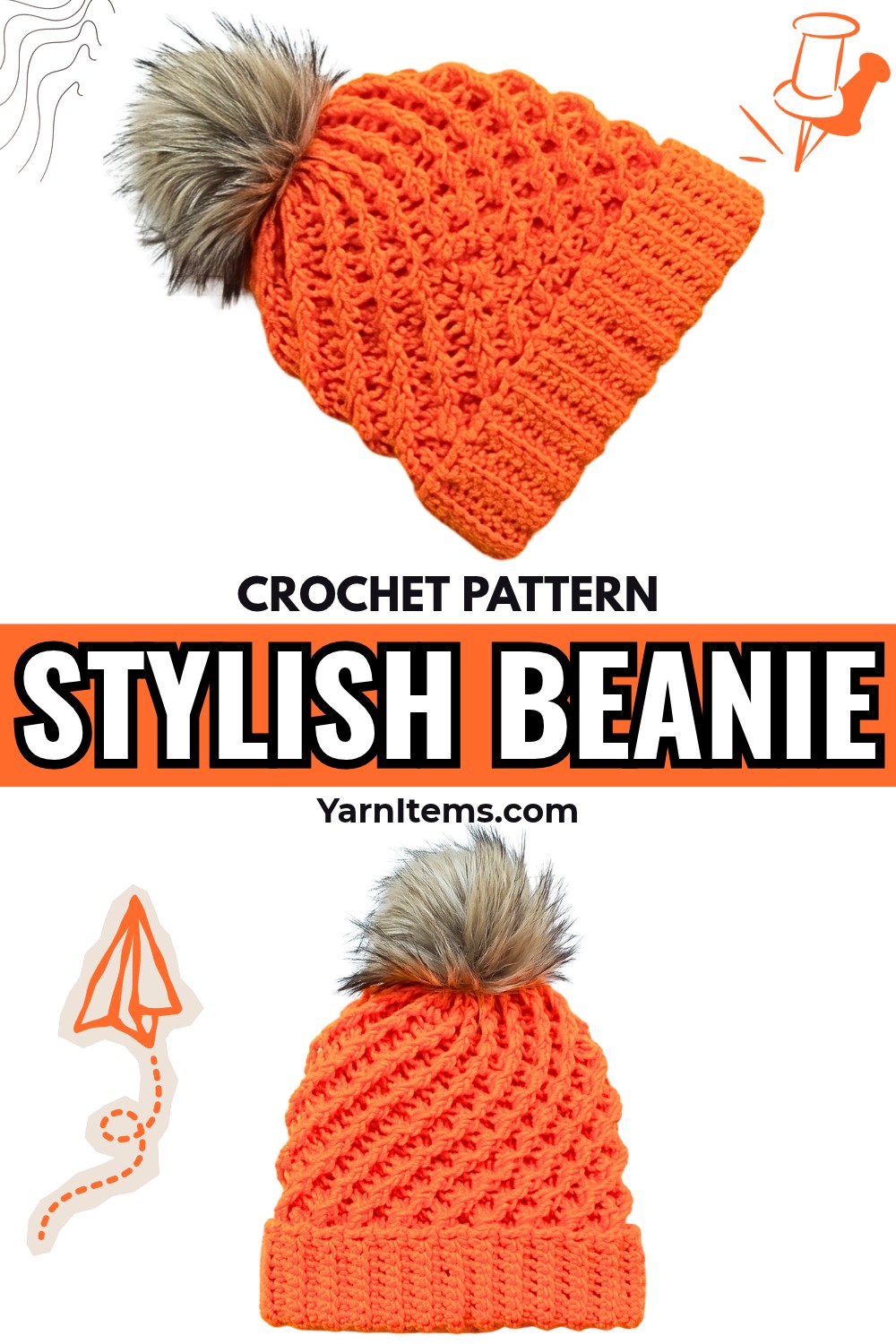
This crochet beanie isn’t just a hat; it’s a cozy piece of comfort for chilly days. The textured stitch makes it stand out with style, creating a unique design that’s both soft and durable. This stylish beanie is perfect for kids, teens, and adults alike, as you can easily adjust it to fit any size. If you wear it for warmth, as an accessory, or just love handmade items, this crochet beanie is a delightful addition to anyone’s wardrobe.
Crochet Beanie with Textured Stitch
The making process of the Crochet Beanie is straightforward and repetitive, making it beginner-friendly. Using just one main round for the textured body, paired with a folded brim, the process feels smooth and simple. What makes it extra special is the textured lines created by the front post stitches. You’ll also have the option of finishing it off with a cute pom-pom on top.
Credit zhavin crochet
Key Features and Highlights
- Materials & Tools: Medium-weight yarn, 5 mm crochet hook for the brim, and 5.5 mm crochet hook for the body.
- Construction: Made in two key parts—beginning with a ribbed brim worked in rows, followed by the body created in rounds with textured front post stitches.
- Shaping: A foldable brim for extra warmth and a snug fit, plus thoughtful decreases at the crown for smooth finishing.
- Decorative Touches: Eye-catching post stitches create vertical lines across the beanie’s body, with an optional pom-pom for added flair.
- Customizable Sizing: The simple repeated pattern can easily be adjusted for different head sizes or preferences.
How the Beanie Comes Together
This pattern begins with the brim of the hat, worked in rows to create a snug, stretchy band. Using a slip knot, you’ll chain 15 stitches (or fewer for a standard brim without the fold). Single crochets form the fabric, but to achieve that charming ribbed effect, most stitches are worked into the back loops of the middle stitches while the first and last stitches are worked through both loops for structural consistency. The length of the brim builds row by row, ensuring the band is stretchy and secure once joined into a continuous loop using slip stitches.

Once the brim takes form, the body of the hat begins. Switching to a larger hook (5.5 mm), you’ll work evenly into the edge of the brim by making one double crochet at the top of each row. This sets the foundation for the stunning texture in the body. The defined pattern emerges through alternating groups of double crochets and front post double crochets, creating dimensional vertical ridges that travel up the hat. A single repetitive round carries the work throughout most of the body, making this pattern accessible and easy to memorize for beginners and experts alike.

As you approach the crown, the magic of shaping begins! Decreases are artfully combined with front post stitches to gently pull the fabric inward, refining the design while ensuring a comfortable fit. The final rounds bring the stitches closer, resulting in a small circle at the top, which is closed with the tail of your yarn. Add a whimsical pom-pom for an optional finishing touch that completes the beanie’s stylish look.

Whether you prefer bright, bold colors or soft neutrals, customizing this pattern is effortless. The folded brim not only adds functionality but also lets you play with the height to complement your personal style. Plus, the striking post stitches give the hat character and visual interest while remaining subtle enough for everyday wear.

Video Tutorial
Step-by-Step Pattern
Materials
To make this crochet beanie, you will need the following:
- Yarn: Worsted weight yarn (any brand of your choice).
- Hooks: 5.0 mm crochet hook (for the brim) and 5.5 mm crochet hook (for the body).
- Scissors: For trimming ends.
- Tapestry needle: For weaving in ends and sewing the top shut.
- Optional: A pom-pom maker or pre-made pom-pom for decoration.
Pattern Instructions
Step 1: Create the Brim
- Begin with a slip knot and your 5.0 mm crochet hook.
- Chain 15 (this will be the width of the doubled brim; adjust if you prefer a smaller brim).
- Row 1: Skip the first chain. Work 1 sc into the second chain from the hook and in each remaining chain (14 stitches total). Ch 1, turn.
- Row 2: Work 1 sc under both loops of the first stitch, then work 1 BLO sc into the next 12 stitches. For the last stitch, work 1 sc under both loops. Ch 1, turn.
- Repeat Row 2 until the band reaches the desired length for your head circumference. For this pattern, the brim requires 54 rows.
Step 2: Join the Brim
- Fold the brim in half, lining up both ends.
- Sl st the last row of stitches to the foundation chain to join the band into a circle (this will form the brim).
- Turn the work inside out to see a seamless join.
Step 3: Start the Body of the Hat
- Switch to the 5.5 mm hook.
- Round 1: Ch 3 (counts as first dc). Work 1 dc at the top of each row of the brim (54 stitches total). Join with a sl st into the top of the starting ch-3.
- Round 2:
- Ch 3 (counts as first dc). Work 1 dc in each of the next 2 stitches.
- Then, work 1 fpdc around the first stitch of the previous round.
- Repeat: 1 dc in each of the next 3 stitches, 1 fpdc around the next stitch of the previous round. Continue this sequence until the end of the round. Join with a sl st into the top of the starting ch-3.
- Round 3:
- Ch 3 (counts as first dc). Work 1 dc in each of the next 2 stitches, then work 1 fpdc around the previous round’s fpdc.
- Skip the next fpdc, and repeat: 1 dc in each of the next 3 stitches, 1 fpdc around the skipped fpdc of the previous round.
- Continue this sequence until the end of the round. Join with a sl st into the top of the starting ch-3.
Step 4: Build the Hat Body
- Repeat Round 3 until you have 8–10 rows of the textured pattern (or until the beanie reaches your desired height).
Step 5: Shape the Crown
- Start decreasing the top of the beanie:
- Ch 3, then work 1 decrease dc over the next 2 stitches. Work 1 fpdc around the next fpdc.
- Repeat: Work 1 dc in the next stitch, then 1 decrease dc over the next 2 stitches. Work 1 fpdc around the skipped fpdc.
- Continue this sequence until the end of the round.
- For subsequent rows, continue decreasing using this method until the crown becomes small enough to close.
Step 6: Close the Crown
- Fasten off, leaving a long tail.
- Use a tapestry needle to sew around the last round of stitches. Pull the thread tight to close the top of the hat completely. Secure and weave in any remaining ends.
Step 7: Add a Pom-Pom (Optional)
Attach a pom-pom to the top of the hat for a decorative touch.
Pattern Question
Question: Can I adjust the pattern for different sizes?
Answer: Yes, the pattern is easily adjustable! Modify the number of initial chains and rows for the desired brim size. Keep the body pattern in multiples of three for best results.
Troubleshooting and Suggestions
Common Issues
- Inconsistent Tension: Ribbing can betray uneven tension, especially when switching between working in back loops and through both loops. Try slowing down while crocheting to ensure clean, uniform stitches.
- Joining the Brim Seam: Slip stitches might look bulky if not carefully joined. Use a loose tension and make sure your edges align perfectly.
- Maintaining Stitch Count: As the body grows and decreases occur, double-check your count to avoid unintentional gaps or uneven shaping.
Suggestions & Modifications
- Sizing: The brim’s length determines the hat’s circumference. To adjust, simply add more rows (or stick with multiples of three for even pattern distribution in the body).
- Color Variations: Create stripes in the body or use a variegated yarn for dynamic texture with minimal effort.
- Embellishments: Add a fluffy pom-pom on top, use buttons along the brim, or sew a tiny motif for added charm.
- Alternate Uses: Skip the crown decreases and turn the beanie into an elegant bucket hat, or elongate the crown for a slouchy, relaxed silhouette.